

Monkey mascot costumes, often seen at sports activities occasions, theme parks, and numerous entertainment venues, bring joy and pleasure to audiences. however, the production and eventual disposal of these costumes could have giant environmental ramifications. this text examines the ecological footprint of Monkey mascot costumes, from their introduction to their end-of-existence control.
The materials used in crafting monkey mascot costumes usually include synthetic fibers which includes polyester, nylon, and acrylic. these fabric are favored for his or her durability and capability to resist frequent washing and rigorous use. but, the production of synthetic fibers is electricity-in depth and is predicated closely on fossil fuels, contributing to greenhouse fuel emissions. moreover, the producing process entails chemical remedies that can launch pollutants into waterways if no longer nicely controlled.
another essential aspect of monkey mascot costume manufacturing is the dyeing method. achieving vibrant shades for the costumes frequently calls for a couple of dyeing cycles, each eating sizeable quantities of water and energy. furthermore, the chemical substances utilized in dyeing may be dangerous to aquatic ecosystems in the event that they input wastewater streams without adequate remedy.
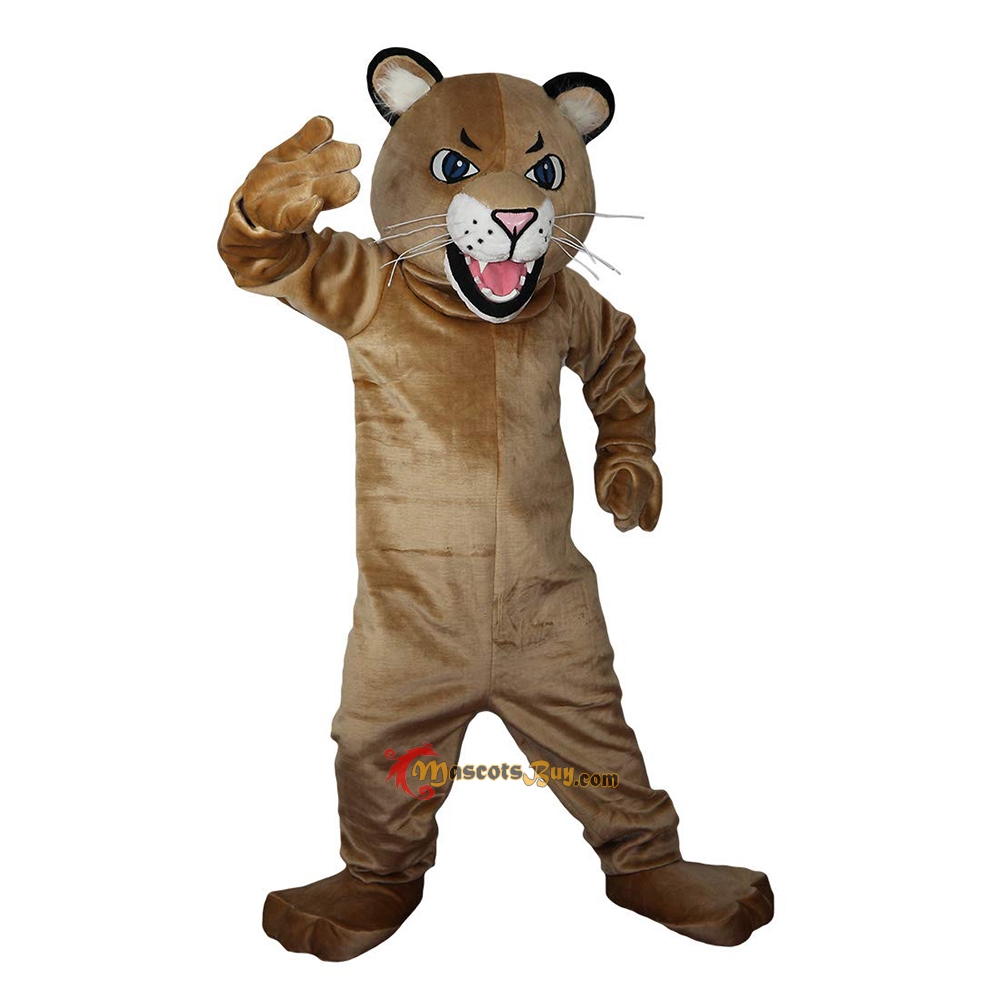
as soon as produced, monkey mascot costumes are commonly designed for long-term use. though, their lifespan can vary substantially relying on factors which includes care, utilization intensity, and environmental conditions. through the years, wear and tear necessitate upkeep or replacements, leading to extra aid intake. The disposal section affords every other set of environmental challenges. due to the fact synthetic materials do no longer biodegrade, discarded monkey mascot costumes make a contribution to the developing trouble of plastic pollution. If now not well recycled, these costumes can grow to be in landfills or oceans, in which they persist for hundreds of years, inflicting harm to wildlife and ecosystems.
Recycling provides a potential solution but comes with its own set of demanding situations. Few centers are equipped to recycle artificial textiles, making it tough to divert old costumes from landfills. even if recycling is viable, the method may be strength-extensive and might nonetheless bring about a few degree of environmental degradation.

In mild of these troubles, there may be a developing push for greater sustainable practices within the dress enterprise. One approach is the use of substances along with organic cotton or bamboo, which have a lower environmental effect compared to synthetic fibers. any other method is designing costumes for modularity and repairability, extending their useful existence and reducing waste.
additionally, cognizance and schooling approximately right disposal techniques can significantly mitigate the environmental impact of discarded costumes. Encouraging recycling thru specialised applications and promoting repurposing initiatives can assist manipulate the end-of-lifestyles degree more sustainably.
In conclusion, while monkey mascot costumes upload a splash of pleasure to numerous activities, their production and disposal pose tremendous environmental demanding situations. by means of adopting greater sustainable materials, enhancing recycling infrastructure, and fostering accountable patron behavior, it is feasible to lessen the ecological footprint of those loved costumes. as the demand for environmentally friendly options grows, the enterprise need to reply with innovation and dedication to sustainability.