

Tiger mascot costumes are a famous preference in many cultures, symbolizing electricity, braveness, and ferocity. those vibrant costumes can vary significantly depending on the cultural context in which they appear, every wearing precise importance and layout elements.
In Japan, the tiger is often depicted in conventional Nishiki-e (woodblock printing) and has been a part of folklore for centuries. the japanese tiger mascot costume generally features problematic styles stimulated through these historical prints, with shiny colours and bold lines that reflect the artistry of Ukiyo-e art work. these costumes regularly comprise factors of samurai armor, emphasizing the bravery and honor associated with the tiger.
meanwhile, in China, in which the tiger is one of the 12 zodiac animals, its representation in mascot costumes tends to be greater colourful and dynamic. chinese language tiger costumes commonly characteristic exaggerated facial expressions and vibrant patterns, mirroring the lively nature of tiger dances completed at some stage in fairs like the Lunar New 12 months. The costumes often consist of elements of traditional chinese language opera makeup, with striking face designs that convey the fierce and protecting qualities of the tiger.

In India, the tiger holds both reverence and fear as a national animal and a symbol of energy. Tiger mascot costumes right here might combine factors of conventional Indian artwork, which includes Madhubani or Pattachitra art work. They frequently use herbal dyes and substances in line with sustainable practices and religious traditions. The designs frequently feature complex mandala styles, symbolizing concord and balance, at the side of motifs of vegetation and fauna to focus on the tiger's position within the environment.
The Western interpretation of tiger mascot costumes, generally seen at sports activities events and corporate functions, has a tendency to be greater cartoonish and friendly. those costumes often emphasize playful traits, with outsized heads, expressive eyes, and lush, smooth fabric which are inviting in preference to intimidating. This technique aligns with Western values of inclusivity and own family-friendly leisure, making the fierce tiger appear greater approachable and enjoyable for all ages.
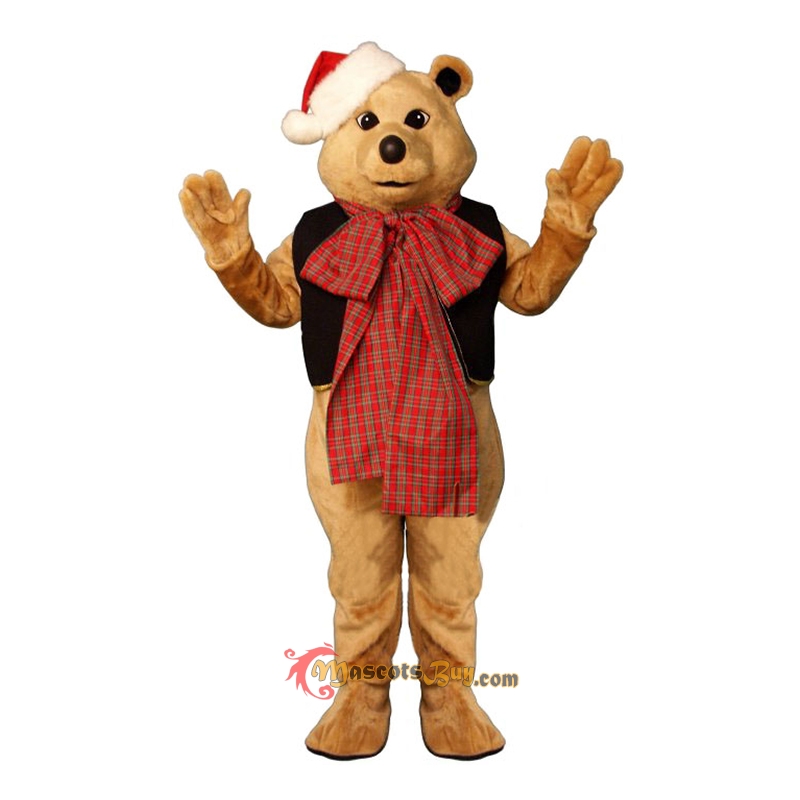
In evaluation, African tiger mascot costumes would possibly draw from the wealthy cultural background and creative traditions of the continent. those costumes should contain patterns much like those found in Kente fabric, representing exceptional symbols and proverbs. moreover, using colourful, earthy tones reflects the herbal habitat of actual tigers and connects the wearer to their roots whilst celebrating the majestic high-quality of the animal.
every cultural edition of the tiger mascot costume gives a unique blend of way of life and innovation, reflecting numerous views on this staggering beast. whether or not via the distinctive craftsmanship of eastern woodblock prints or the spirited designs of chinese language pageant performances, tiger mascot costumes provide a captivating glimpse into the cultural values and inventive expressions that commemorate the tiger internationally.