

Monkey mascot costumes have grow to be an iconic image in various cultural contexts, starting from sports groups to enjoyment and beyond. The origins of these costumes are deeply rooted in history, reflecting a blend of human fascination with the primates and their symbolic meanings. know-how the historic improvement of Monkey mascot costumes calls for delving into historic traditions, folklore, and evolving societal attitudes closer to animals.
In historical civilizations, monkeys have been often seen as creatures of interest and mischief, traits that made them captivating subjects for storytelling and mythology. In Hindu mythology, Hanuman, the monkey god, represents electricity, devotion, and loyalty. His depiction has been immortalized in numerous forms, inclusive of sculptures and paintings, which can be taken into consideration early representations of monkey-like figures in costumes. those depictions highlight the reverence historical cultures held for monkeys, placing the degree for their eventual use in more modern-day mascot roles.

Transitioning to medieval Europe, monkeys were frequently related to trickery and cleverness, traits that observed expression in fairs and pageants. Medieval european celebrations often included characters dressed in animal skins or complicated costumes mimicking animals. those performances served as early varieties of amusement, laying the groundwork for later mascots in public activities and parades.
The evolution of monkey mascot costumes can also be traced back to the upward thrust of professional sports within the late nineteenth and early twentieth centuries. As group sports won popularity, agencies sought particular ways to engage fans and create a one of a kind identity. The concept of the mascot emerged at some point of this era, with groups adopting animal figures to represent their spirit and resilience. Early examples consist of the Chalky White Elephant mascot of the new york Giants baseball team within the early 1900s, showcasing the preliminary steps closer to the various range of mascot characters we see these days.
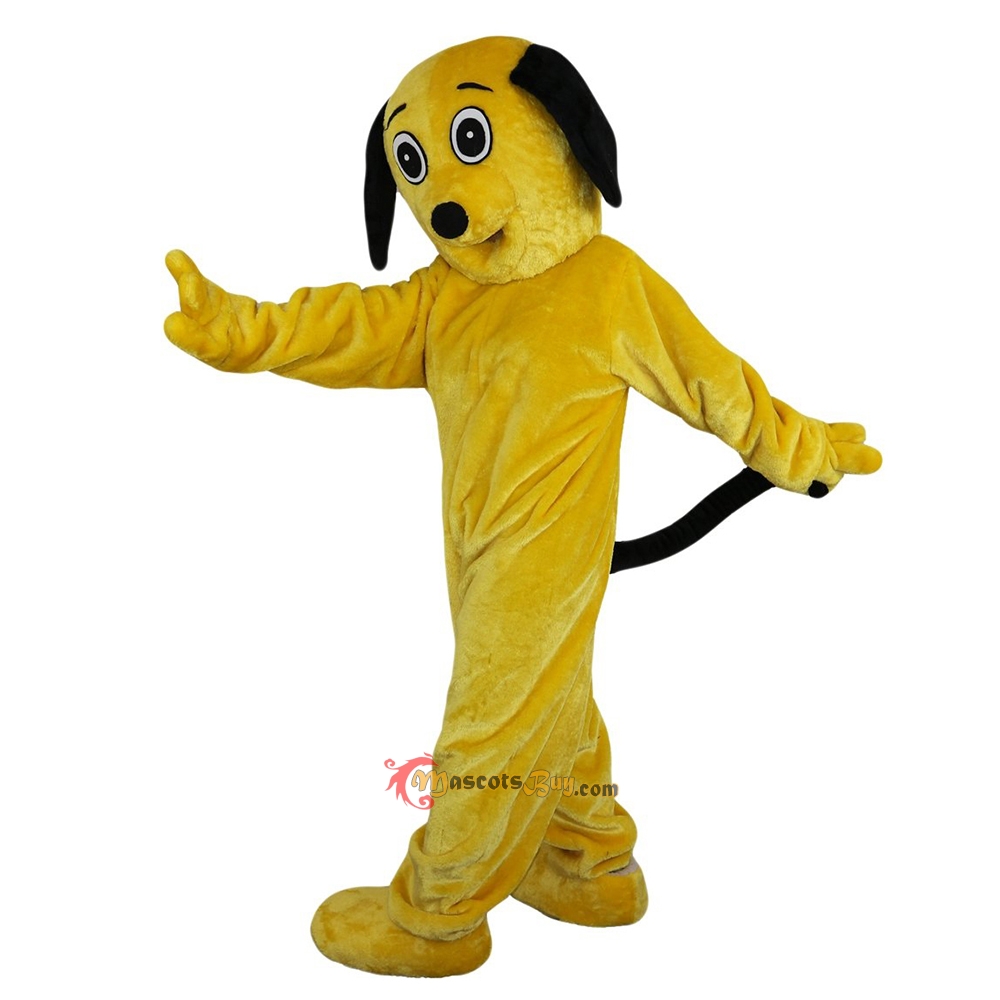
by the mid-20th century, the usage of monkey mascot costumes had emerge as specially prevalent in university and expert sports activities. The Phillie Phanatic, the mascot for the Philadelphia Phillies, debuted in 1978, epitomizing the playful and active features related to monkeys. This fashion persisted globally, with different incredible monkey mascots which includes Japan's Happou-kun for the Fukuoka SoftBank Hawks baseball crew, further embedding the motif in sports activities subculture.
beyond sports activities, monkey mascot costumes have discovered their vicinity in corporate branding, advertising, and leisure. corporations like the technology large Apple have used playful monkey-themed characters in marketing campaigns to attraction to audiences, reinforcing the tremendous attributes of cleverness and innovation. additionally, characters like Curious George have transcended their literary origins to become loved icons in merchandise and animated movies, illustrating the extensive-accomplishing attraction of monkey figures in famous way of life.
In conclusion, tracing the origins of monkey mascot costumes famous a rich tapestry woven from historical mythologies, medieval festivities, and modern-day sports activities and enjoyment. these costumes signify extra than simply whimsical amusing; they represent a legacy of human creativity and our enduring fascination with these exceptional animals. whether in a stadium cheering enthusiasts on or in a corporate advert marketing campaign, monkey mascot costumes preserve to captivate and encourage throughout generations.