

The intersection of animal rights and mascot costumes is a topic that has garnered growing interest in current years. specifically, the usage of elephant mascot costumes has sparked considerable debate inside ethical circles. This dialogue pursuits to delve into the ethical implications of such practices, thinking about each facets of the argument to offer a complete understanding.
Animal rights advocates frequently argue that the use of animals as symbols for leisure purposes can perpetuate harm and exploitation. Elephant mascot costumes, in particular, have come underneath scrutiny because those majestic creatures are often subjected to harsh situations, inclusive of confinement and schooling regimens destructive to their properly-being. Critics contend that portraying elephants as costumed characters trivializes the complicated lives they lead in the wild and disregards the moral remedy they deserve.
Conversely, proponents of mascot costumes argue that they serve an educational and exciting position. They agree with that once used responsibly, elephant mascot costumes can sell awareness about those animals and cultivate a sense of empathy among visitors. Proponents assert that by using humanizing elephants thru costumes, human beings might also grow to be extra inclined to guide conservation efforts and understand the plight of endangered species higher.
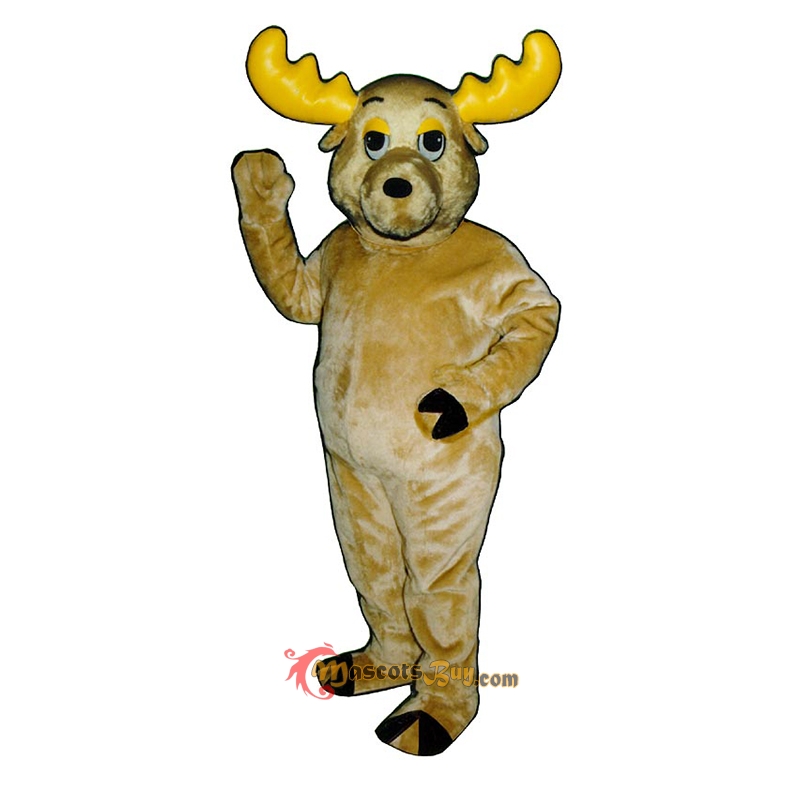
another dimension of this ethical discourse involves the impact on children. Many argue that exposure to wonderful representations of animals can foster a feel of duty and recognize for all dwelling creatures. however, critics warning that normalizing animals in costume shape would possibly desensitize individuals to the suffering real elephants bear because of human activities which include habitat destruction and poaching.
in addition to the symbolic implications, there is also the issue of realistic welfare issues related to elephant mascot costumes. The production and protection of those costumes regularly require materials and procedures that might not align with ethical standards. as an instance, some costumes could involve non-vegan glues or different dangerous substances, raising extra ethical issues approximately animal exploitation past the symbolic illustration.
moreover, the cultural context can not be ignored. In diverse societies, elephants keep tremendous symbolic meanings, frequently representing knowledge, power, or maybe deity. the usage of elephant mascot costumes in such settings can both enhance cultural delight or offend cultural sentiments, relying on how the imagery is perceived and employed. thus, cultural sensitivity plays an critical role in comparing the ethics of such practices.

in the end, the conversation surrounding animal rights and mascot costumes—specially the ones providing elephants—highlights the complexity of balancing moral responsibilities with amusement value. whilst some see it as a innocent manner to interact with animal-loving groups, others view it as every other form of objectification that contributes to a difficult narrative around wildlife. A nuanced information and accountable approach are vital for navigating this contentious difficulty, ensuring that the welfare of animals—real and symbolic—is always at the leading edge of such discussions.