
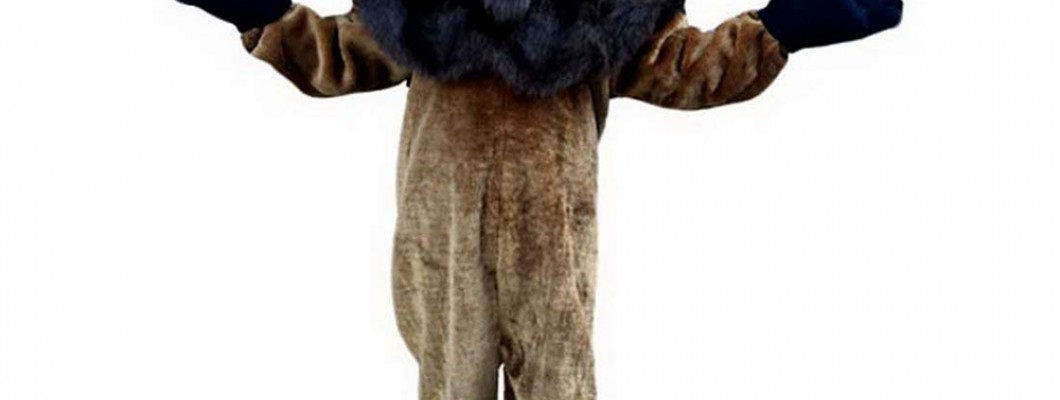
In various historical civilizations, humans mascot costumes performed a pivotal role in cultural and social practices. those costumes served as representations of gods, spirits, animals, or enormous figures, regularly performing in spiritual ceremonies, gala's, and public occasions. The significance of those costumes various across different societies, however they continuously held an vital vicinity inside the collective identity and traditions of the people.
In historical Egypt, human beings mascot costumes had been intricately designed to depict deities and pharaohs. those tricky clothes were used all through temple rituals and processions, wherein monks and excessive-ranking officers donned them to encompass the gods and make sure divine want. The craftsmanship concerned in developing those costumes changed into awesome, with substances together with gold leaf, precious stones, and exceptional linens being utilized to bring the gods to existence.
in addition, in historic Greece, mascot costumes called “eidola” represented both gods and heroes in religious festivities and theatrical performances. these costumes were often made from fabric or leather and embellished with symbols and colorings representing exclusive deities. gala's inclusive of the Panathenaia featured actors in complex costumes parading thru the streets, symbolizing the mythological figures celebrated throughout the event.

within the Roman Empire, people mascot costumes took on a greater political and propagandistic feature. at some point of public video games and celebrations, performers dressed as historical figures, gods, and mythical creatures to entertain the masses. these costumes served not most effective as enjoyment but additionally as tools for boosting imperial ideology and showcasing the grandeur of Rome to its humans and subjects.
moving to Asia, the japanese traditional theater shape of Noh noticed performers sporting fairly stylized costumes that symbolized characters from classical literature and mythology. these mask and costumes have been crafted to evoke a particular emotional response and convey the story's issues with out the want for words. The distinct designs and colourful colours of these costumes had been critical in communicating the narrative to the audience.
historic Mesoamerican civilizations inclusive of the Aztecs and Maya additionally employed human beings mascot costumes in their sacred rituals and ceremonial occasions. those costumes regularly covered feathered headdresses, animal skins, and elaborate frame paint that converted people into gods or totemic creatures. using those costumes was principal to rituals supposed to soothe deities or have fun massive agricultural cycles.

The way of life of the use of human beings mascot costumes persisted in various forms at some stage in records, adapting to the cultural shifts and aesthetic choices of various durations. nowadays, modern iterations of those historic practices can be seen in cutting-edge mascot costumes at sports events, subject matter parks, and company branding, reflecting the long-lasting human desire to personify thoughts and connect to larger-than-life figures.
universal, people mascot costumes in historical civilizations were a lot greater than mere apparel; they were a bridge between the human and divine, a way of storytelling, and a powerful tool for communal identification and expression. Their legacy persists, highlighting the timeless nature of this exercise across cultures and generations.