

global fairs are a vibrant tapestry of cultural expression, and those mascot costumes play a huge function in this colourful mosaic. those costumes, often designed to represent country wide or regional characters, upload a further layer of excitement and identification to the festivities. They serve no longer best as symbols of cohesion but additionally as ambassadors of lifestyle, bridging gaps among various groups.
one of the most iconic examples is Japan's “Kuma Mon,” the black endure mascot for the 2017 G-7 Summit held in Sicily. dressed in a conventional kimono, Kumamon interacted with attendees, showcasing jap way of life via dance, track, and artwork. His presence helped foster global expertise and appreciation for japanese traditions.
further, on the Rio Carnival in Brazil, the giant “Pavullo” peacock mascot stands out a number of the samba parades. This magnificent costume embodies the spirit of Brazilian exuberance and creativity. Pavullo represents greater than only a mascot; it symbolizes the state's love for its herbal beauty and rich biodiversity. The vibrant plumage and elaborate beak design capture the essence of Brazil's cultural history, charming each locals and tourists alike.
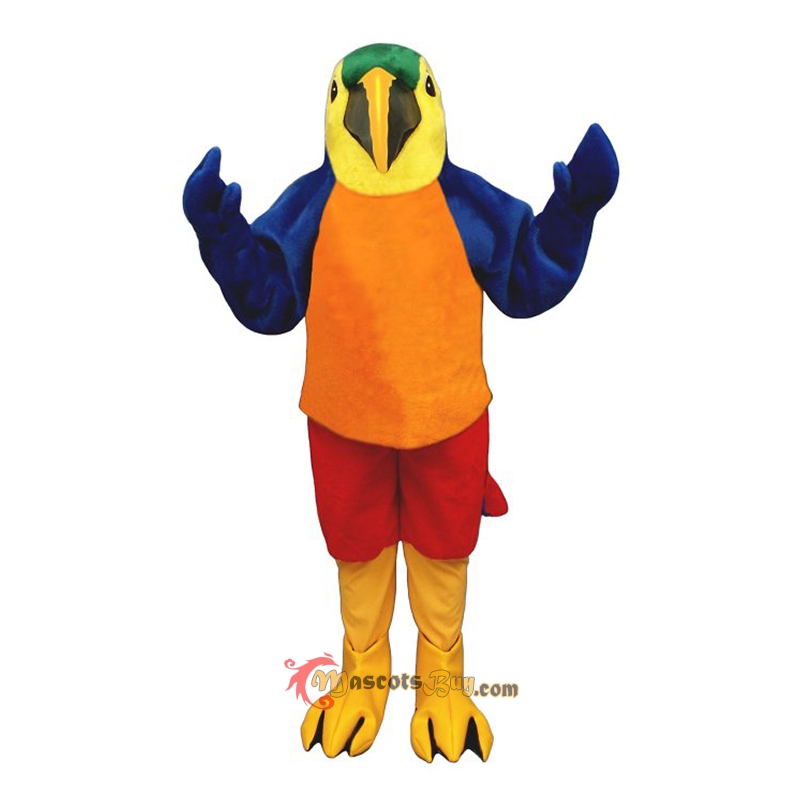
shifting to Europe, the Eurovision music Contest features diverse mascots that spotlight the host united states's specific man or woman. for example, in 2018, Lisbon's Salsy and Sissy dual mermaids celebrated Portugal's maritime historical past. these playful yet stylish mascots, decorated in traditional Portuguese apparel, introduced an air of enchantment to the occasion. Their presence underscored the significance of ocean conservation even as selling country wide pleasure.
In Africa, the Pan-African film and humanities festival in Burkina Faso frequently showcases mascots like “Azouba,” a legendary creature representing solidarity and resilience. Azouba's vibrant patterns and colorations mirror the diverse ethnic tapestry of the continent. through embodying African folklore and traditions, those costumes train and entertain, providing a deeper information of African cultures to an worldwide target audience.
The chinese New 12 months parade in San Francisco's Chinatown is a prime example of ways people mascot costumes can decorate community celebrations. The dragon and lion dancers, clad in tricky costumes, weave thru the streets, creating an electrifying surroundings. these performances are steeped in way of life, symbolizing good fortune and prosperity for the coming 12 months. The dynamic movements and colorful costumes draw big crowds, fostering a sense of shared joy and cultural satisfaction.
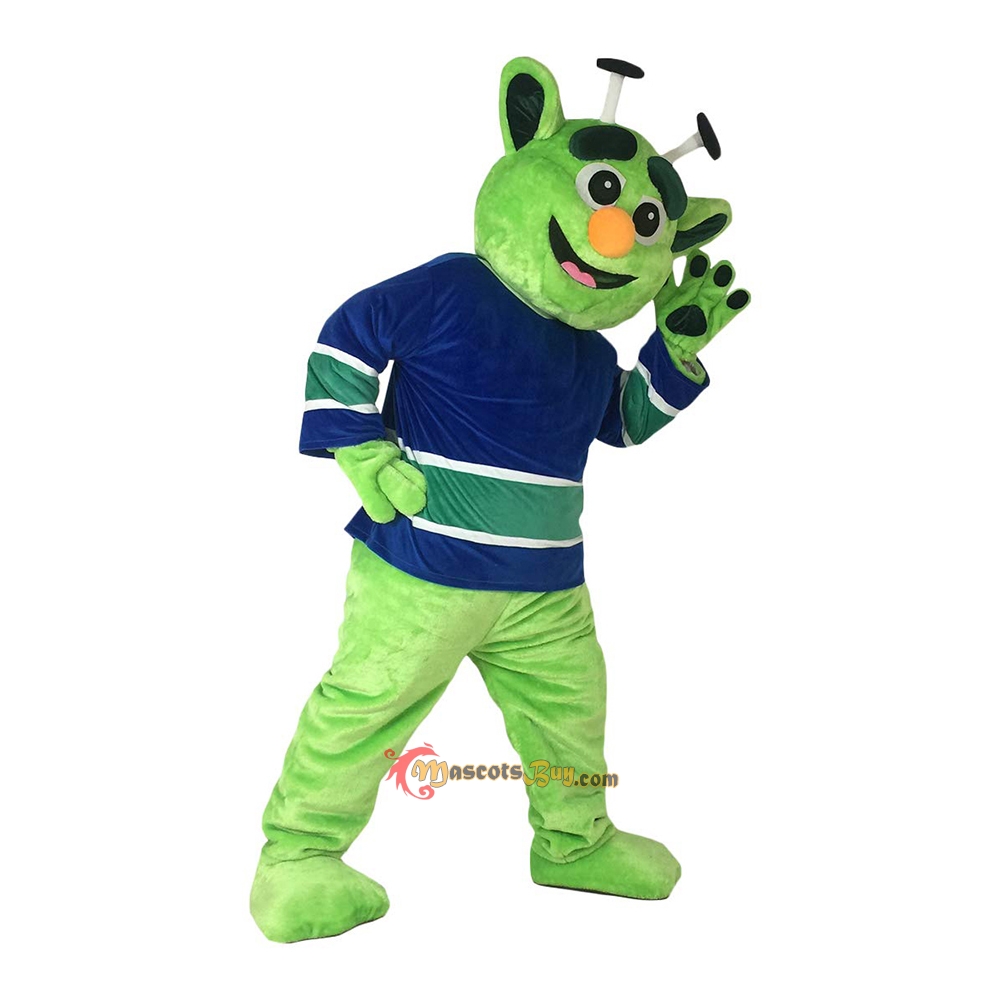
human beings mascot costumes additionally play a important role in educational settings during global festivals. as an example, at cultural festivals around the world, educators regularly use mascot characters to have interaction kids in interactive gaining knowledge of reviews. these costumed figures provide a fun and noteworthy manner to train about special cultures, making complex histories and traditions more on hand. through storytelling and participation, younger minds are broadened, fostering worldwide recognition from an early age.
In conclusion, people mascot costumes are fundamental in enriching global gala's. They cross past mere enjoyment, serving as effective symbols of cultural delight and intercultural speak. whether representing mythological creatures or historic figures, those costumes deliver testimonies to existence, making fairs more immersive and meaningful reports for all concerned. by way of wearing these costumes, people end up living embodiments of their history, contributing to a more inclusive and colourful international community.