
Wolves have lengthy held a prominent area in human subculture, symbolizing traits which includes electricity, independence, and cunning. the use of the wolf mascot, embodied through various forms like costumes, has deep roots that span throughout extraordinary societies and historical durations. understanding this history offers rich insight into how these symbols form our collective creativeness.
In historical instances, wolves were each respected and feared. Nomadic tribes frequently adopted the wolf as their totem animal, believing it embodied the spirit of the hunt and survival. This reverence is reflected in folklore and mythology, in which wolves often appear as powerful guardians or trickster figures. through the years, as communities settled, the picture of the wolf evolved. even as a few cultures continued to rejoice its attributes, others began to view it with suspicion, associating it with wilderness and danger.
The transition from mythological reverence to modern-day sports group mascots entails an intriguing adventure. In early American history, settlers encountered wolves frequently, leading to both admiration and apprehension. As european settlers installed towns and cities, they delivered with them memories of the wolf from their homelands, integrating these narratives into their new cultural tapestries. The wolf have become a symbol of resilience and adaptability, traits especially prized by using growing communities.

getting into the modern technology, the wolf mascot received great reputation in sports, amusement, and education. One iconic instance is the university of Northern Colorado, whose athletic groups are nicknamed the “Wolverines.” here, the wolf mascot represents fierceness and tenacity on the sports subject. similarly, expert sports activities groups just like the NHL's Detroit pink Wings leverage the wolf's imagery to encourage team spirit and intimidate warring parties.
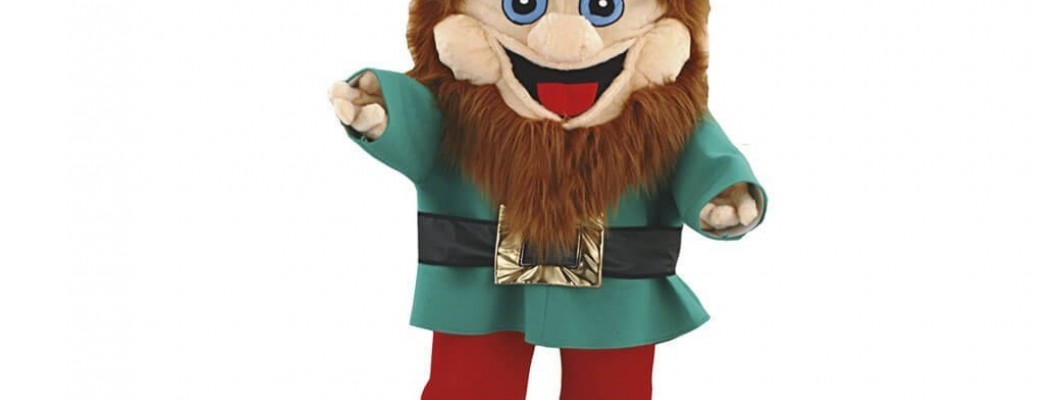
Wolf mascot costumes play a essential position in bringing this symbolism to life. those costumes frequently function sharp enamel, eager eyes, and sleek, muscular builds—attributes designed to awaken the majestic but bold nature of wolves. dress designers put huge idea into shooting the essence of the wolf at the same time as ensuring the mascot is approachable and pleasant for public appearances. The craftsmanship concerned reflects a mix of artistry and cultural information, making each gown a completely unique representation of its team or corporation.

Culturally, the wolf mascot serves a couple of functions. It acts as a unifying emblem that fosters community satisfaction and identification. as an example, at high school pep rallies or college games, seeing the wolf mascot can rally enthusiasts and increase morale. additionally, these mascots regularly interact in charitable activities and community outreach, reinforcing fine values associated with the wolf, which include loyalty and teamwork.
furthermore, wolf mascots assist bridge generational gaps by way of introducing younger audiences to the rich history of wolf lore. via school packages and neighborhood occasions, children find out about the significance of wolves in various cultures, sparking interest and admire for natural world. educational tasks tied to wolf mascots additionally awareness on conservation efforts, elevating attention about protecting those impressive animals in the wild.
In end, the wolf mascot holds a multifaceted significance that transcends simple entertainment. From ancient totems to fashionable sports icons, the wolf embodies enduring features that resonate universally. Wolf mascot costumes function a colourful medium via which these traits are celebrated and perpetuated, fostering a experience of belonging and reason inside groups. As we maintain to adapt, the wolf remains a timeless logo, reminding us of our shared heritage and aspirations.