

people mascot costumes have long been a staple in diverse forms of amusement, from sports activities video games to company occasions. however what is it about these large-than-life characters that capture our imagination and interest? To recognize this phenomenon, we want to delve into the psychology behind humans mascot costumes.
One considerable purpose lies in the energy of symbolism and archetypes. human beings mascot costumes often take at the personas of animals, legendary creatures, or iconic characters. those symbols tap into deep-seated cultural narratives and collective unconsciousness, as defined with the aid of Carl Jung's principle of archetypes. for instance, a lion mascot conjures up energy and management, even as a clown individual can encompass playfulness and joy. by means of wearing such personas, mascots create an immediate emotional reference to the audience, making them extra memorable and relatable.
another mental thing involves the idea of function reversal and escapism. whilst people step into a people mascot gown, they basically shed their normal identities and transform into something absolutely specific. This act of becoming “someone else” gives a shape of escapism for both the wearer and the observer. For the individual in the costume, it affords a break from societal norms and expectancies. For the target market, looking someone in a fantastic or exaggerated character allows them to momentarily escape the mundanity of ordinary existence and indulge in a sense of wonder and enjoyment.

moreover, people mascot costumes also function effective equipment for social brotherly love and organization identification. In settings like sports activities occasions or community gatherings, a mascot will become a unifying parent that everyone can rally around. It fosters a experience of camaraderie and belonging amongst attendees, creating a shared revel in that transcends individual variations. The presence of a mascot regularly amplifies crew spirit or community delight, encouraging collective participation and enthusiasm.
additionally, the visual attraction and novelty of human beings mascot costumes play essential roles in attracting and preserving interest. human beings are obviously drawn to vivid shades, unusual shapes, and dynamic movements—all traits generally associated with mascot costumes. those elements trigger visible and sensory stimuli that captivate the audience, making it less difficult for the mascot to interact and entertain. the novelty element guarantees that the pleasure doesn't wane quickly, keeping the audience always intrigued and invested.
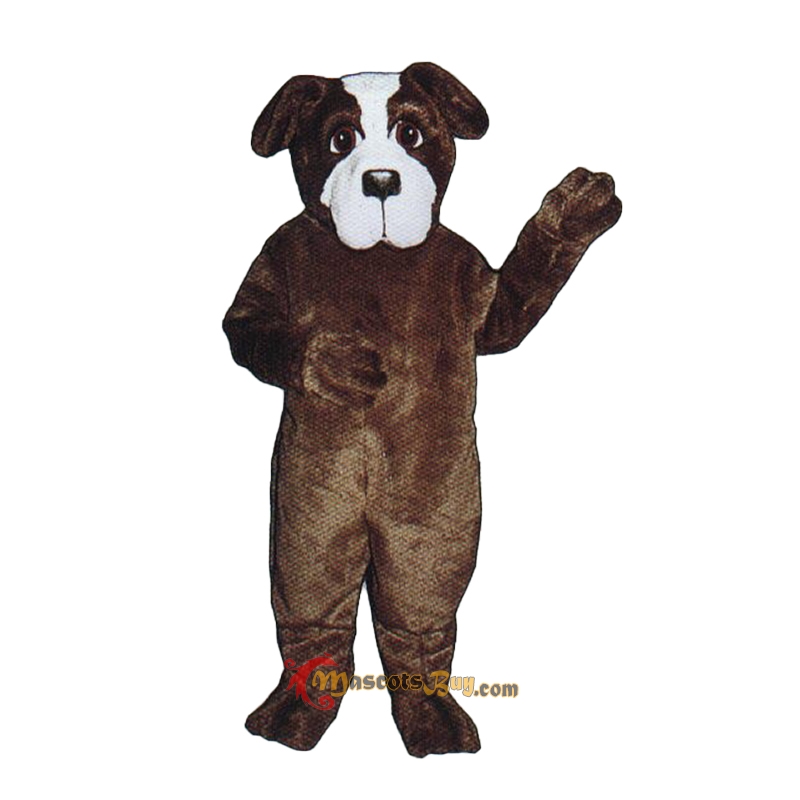
moreover, humans mascot costumes frequently contain interactive elements that beautify the general experience. whether or not it's excessive-fiving enthusiasts, performing dances, or collaborating in image opportunities, mascots actively involve the target market, developing a -way interaction. This now not most effective makes the event more fun however also builds a private connection among the mascot and the individuals. Such interactions can leave lasting high quality impressions, reinforcing the emotional bond among the mascot and the audience.
In conclusion, the psychology in the back of human beings mascot costumes is multifaceted, involving symbolism, function reversal, social concord, visible appeal, and interactivity. these elements together explain why people mascot costumes are so effective at capturing interest and creating memorable experiences. with the aid of knowledge the underlying mental mechanisms, one could admire the depth and complexity of this apparently simple shape of leisure. whether you're a creator, performer, or observer, the magic of a people mascot gown lies in its capability to bring joy, foster unity, and offer a lovely escape from the regular.