
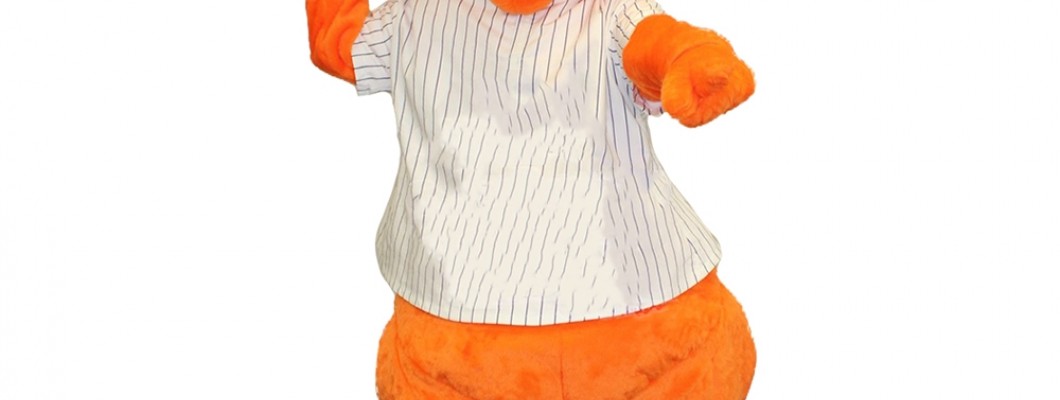
Monkey mascot costumes preserve numerous symbolic meanings throughout exceptional cultures, representing a rich tapestry of beliefs, values, and traditions. these playful and regularly mischievous creatures, while transformed into costumed characters, embody a spectrum of cultural narratives that span joy, understanding, trickery, or even divinity.
In chinese language lifestyle, the monkey is frequently visible as a symbol of intelligence and cleverness. One iconic illustration is the Monkey King, sun Wukong, from the conventional novel “journey to the West.” This individual is well known for his bravery, loyalty, and supernatural competencies. therefore, Monkey mascot costumes in China are frequently related to these fine tendencies. throughout fairs and celebrations, such costumes are donned by means of performers to carry good fortune and happiness, emphasizing the monkey's role as an auspicious symbol.
Transitioning to every other part of Asia, eastern folklore capabilities the mysterious and enigmatic figures of the Sarutaba-kun, or “monkey kids.” these legendary beings are stated to live deep inside the mountains and forests, frequently portrayed as guardians of nature. despite the fact that less commonly found in modern-day mascot gown form, the idea underscores the monkey's connection to the non secular and natural international. when depicted in gown, it could function a reminder of harmony with nature and the mysteries that lie within.
Heading westward to Africa, the monkey takes on but every other guise, regularly representing both mischief and interest. in many African cultures, monkeys are connected to tricksters of folklore who use their cleverness to outwit others. Mascot costumes inspired with the aid of those tales might be hired at some point of network occasions to entertain and train, highlighting the twin nature of cunning and cleverness. Such representations serve to remind humans of the importance of wit and flexibility in navigating life's demanding situations.
In Western cultures, especially inside sports activities teams and entertainment, monkey mascot costumes regularly embody a spirit of a laugh and playfulness. Take, for example, the well-known Tigger from A.A. Milne's “Winnie the Pooh” stories. Tigger represents exuberant strength and enthusiasm, endearing him to audiences of every age. whilst followed as a mascot, this playful personality is supposed to uplift spirits and foster a sense of community and joy. sports activities groups, subject parks, and different organizations utilize these symbols to create a vibrant and attractive atmosphere.

furthermore, the accepted appeal of monkey mascot costumes transcends specific cultural obstacles. They function a bridge connecting diverse traditions via shared human reviews. whether in ancient mythologies or present day-day festivities, those costumes carry forward the undying narrative of the trickster archetype, ever adaptable and complete of surprises. They remind us of our collective history even as concurrently inviting new interpretations and celebrations.
To conclude, monkey mascot costumes are some distance extra than mere clothes; they encapsulate a wealth of cultural symbolism. From embodying mind and mischief to serving as ambassadors of joy and harmony, those costumes resonate deeply throughout diverse societies. Their presence at festivals, carrying occasions, and entertainment venues keeps to enhance our cultural material, linking beyond traditions with gift joys and future celebrations.