

Animal mascot costumes have lengthy been a image of power, strength, and identity across numerous cultures and societies. these costumes not most effective entertain but also encompass deeper cultural values and historic narratives. by using adopting animal paperwork, people can channel the attributes and virtues related to these creatures, developing a effective connection between human and nature.
In historic Egypt, the pharaohs frequently depicted themselves as powerful animals including lions, eagles, or cobras to symbolize their divine proper to rule. The lion, called the “King of the Jungle,” represents braveness and authority, even as the eagle indicates vision and power. Cobras are visible as protectors, keeping off evil spirits. those symbols have been intricately woven into royal clothes and headdresses, reinforcing the notion that the wearer possessed supernatural characteristics and became divinely selected to guide.
transferring to medieval Europe, heraldic beasts have become outstanding in coats of fingers. every animal carried its very own importance; as an instance, the lion symbolized bravery, the eagle represented freedom and high angle, and the dragon epitomized energy and ferocity. Knights and noble households followed those symbols to convey their lineage, achievements, and aspirations to destiny generations. The intricate designs on shields, banners, and armor have been not simply decorative however served as a visual language speaking popularity and valor.

In local American tribes, animal mascots performed a vital function in ritualistic ceremonies and storytelling traditions. The buffalo, for example, symbolizes abundance and provision for the Plains Indians, even as the eagle represents spiritual transcendence and leadership amongst many tribes. Tribes would frequently perform dances and wear costumes adorned with feathers, beaks, and different capabilities in their totemic animals to harness their non secular power in the course of ceremonies and hunts. those practices emphasised a deep-seated recognize for nature and a perception in the interconnectedness of all beings.
Even in contemporary societies, the usage of animal mascot costumes persists as a way of promoting group spirit, community pleasure, and brand reputation. sports activities teams often undertake fierce animals like lions, tigers, and bears as mascots to inspire competitiveness and resilience among gamers and fans alike. faculties regularly pick out animals that mirror their values, consisting of beavers symbolizing industriousness or eagles representing excellence. those present day interpretations preserve to attract from historical symbolism, bridging past and present thru shared cultural narratives.
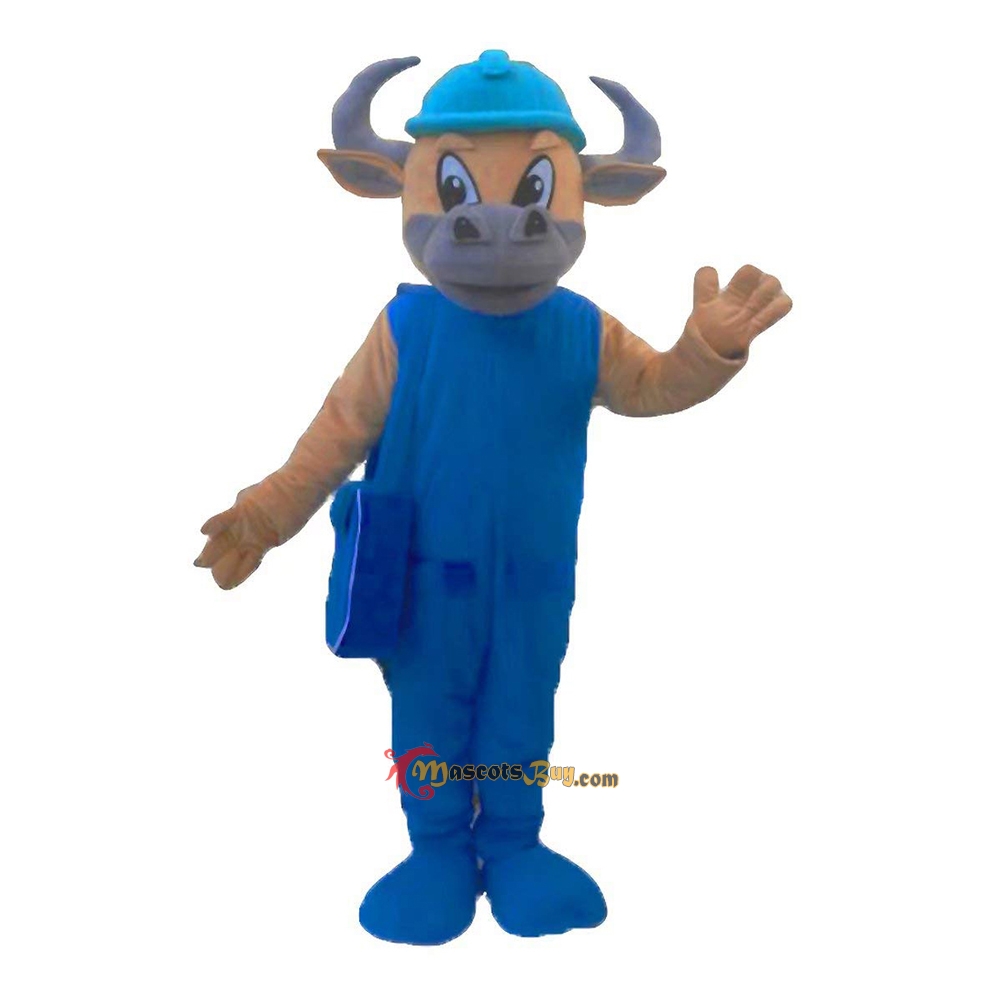
moreover, company trademarks frequently characteristic effective animals to rouse certain attributes in customers' minds. as an instance, using a lion in a car enterprise's brand would possibly mean strength and durability, while a dolphin should advise pace and agility. these symbols help create a lasting impression and emotional reference to the target audience, making brands more memorable and impactful.
Animal mascot costumes for that reason serve as more than mere representations; they are imbued with wealthy cultural meanings and historical contexts. whether or not in ancient civilizations or modern-day businesses, those symbols of animal prowess and person provide a compelling hyperlink to our collective heritage and ongoing quest for identity and belonging.